
Supply Chain Control Tower Software
Supply Chain Control Tower Software: The 2026 Strategic Guide for UAE & GCC Logistics Leaders
For years, many of us in the regional logistics sector operated with a “blind faith” strategy. We dispatched fleets across the Emirates and managed complex inventories in JAFZA or KIZAD based on data that was often hours—or even days—old. The breaking point for many was the same: a minor port delay or a last‑mile bottleneck caused a ripple effect that shut down operations for 24 hours. We weren’t managing a supply chain; we were reacting to its failures. At Nunar, we’ve deployed over 500 AI agents into live production environments for logistics firms across the GCC. Our experience proves supply chain control tower software is no longer a luxury—it’s the central nervous system for any operation aiming to thrive in the regional market.
What Is Supply Chain Control Tower Software?
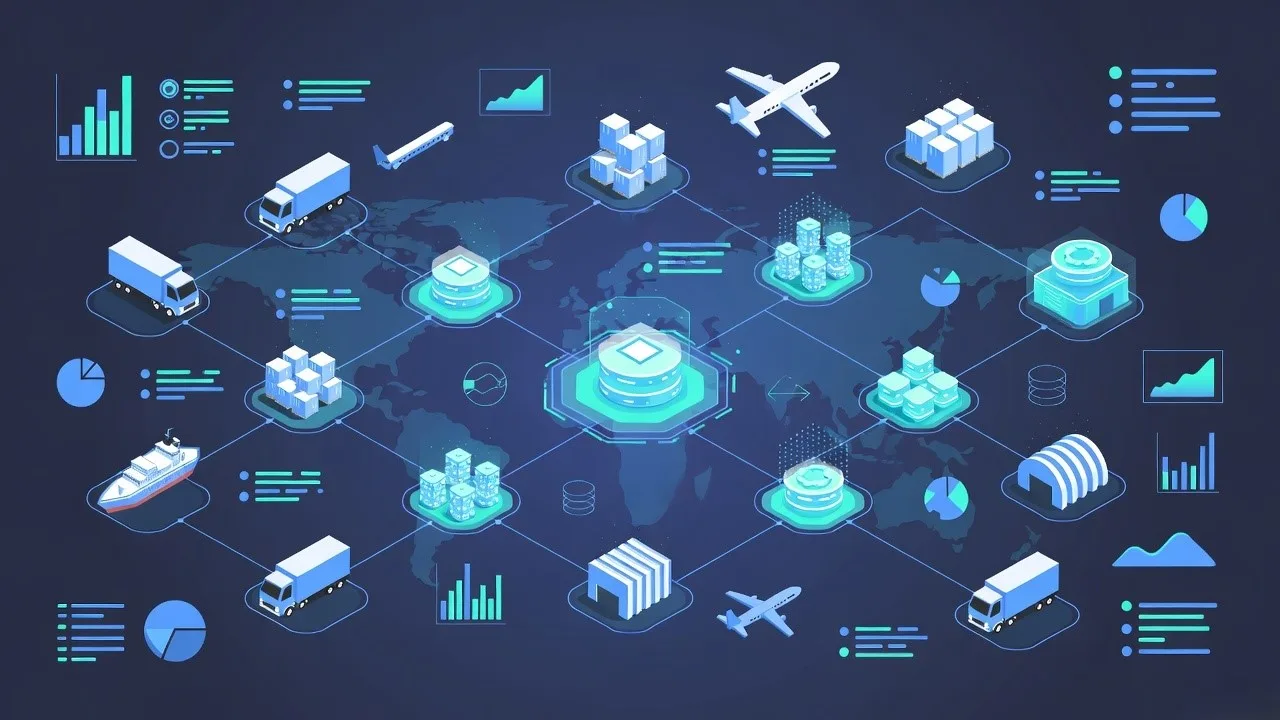
A supply chain control tower isn’t just a digital dashboard. It’s an AI‑powered orchestration layer that integrates fragmented data from ERPs, TMS, and WMS platforms to deliver real‑time visibility and autonomous decision support. It bridges gaps between disparate sources, giving logistics leaders a single, unified view of their entire network.
The Shift: From Visibility to Autonomous Orchestration
In the GCC, where the Dubai Silk Road Strategy and Saudi Vision 2030 drive unprecedented infrastructure growth, basic “visibility” is now table stakes. The real competitive edge? Autonomous orchestration—the ability to act decisively, not just observe.
How Supply Chain Control Tower Software Actually Works
The magic of a supply chain control tower lies in its continuous cycle of data processing and decision support. Modern platforms run a closed loop across five key phases:
- SEE: The system answers “Where are my goods?” by providing complete, real‑time visibility into the location and status of every shipment and asset.
- ANTICIPATE: Using predictive analytics, it answers “What might happen?” by forecasting potential disruptions such as port congestion, weather delays, or carrier bottlenecks.
- UNDERSTAND: It then analyzes the implications, answering “So what?” to quantify the true business impact of a delay or exception on customers, revenue, and service levels.
- ACT: The platform recommends or triggers corrective actions to answer “Now what?”, enabling teams to quickly reroute, prioritize, or replan shipments across the network.
- LEARN: Finally, it evaluates the outcomes of actions taken, answering “What worked?” and using machine learning to refine rules, thresholds, and recommendations for future scenarios.
The Critical Importance of Supply Chain Control Tower Platform
Why is this technology generating so much buzz now?
Modern global supply chains have become too complex for reactive, siloed management. Large enterprises are adopting control tower platforms to gain real‑time, end‑to‑end visibility and coordinated decision‑making across their networks. The pandemic exposed how fragile lean, opaque supply chains can be, leaving many organizations blind to disruptions and unable to reroute critical shipments in time.
Customer expectations have shifted permanently. End‑to‑end visibility is now a baseline requirement, not a luxury. Shippers, retailers, and B2B partners all demand accurate ETAs and proactive updates, making visibility a direct driver of trust and service quality.
In regions like the UAE and the GCC, additional pressures intensify the need. Talent competition with energy and construction, rapid free‑zone scaling such as JAFZA and KIZAD, and infrastructure constraints during trade‑corridor expansions make docks, berths, and truck slots highly contested assets. Control tower platforms help orchestrate these resources efficiently, turning fragmented data into a single cockpit that supports faster, more coordinated responses, turning visibility into a competitive moat rather than just a tracking tool.
5 Key Advantages of Supply Chain Control Tower Implementation
Moving from a reactive to a proactive operational model delivers tangible, measurable benefits. Based on the performance metrics we’ve seen from our deployments, here are the most significant advantages.
1. End‑to‑End Visibility and Risk Prevention
This is the foundational benefit. A control tower eliminates blind spots by providing a single, unified view of your entire supply chain, from the sourcing of raw materials to last‑mile delivery. This transparency is essential for quickly identifying non‑compliance, delays, or other exceptions, allowing you to contain losses and implement corrective measures before a minor issue becomes a critical failure.
2. Significant Cost Reduction and Efficiency Gains
The financial impact is substantial. Research from Accenture quantifies that companies with advanced control towers can reduce logistics costs by 3–5% and improve labor efficiency by 10–20%.
In practice, we see this through:
- Reduced Detention & Demurrage: Instant alerts for schedule deviations help avoid costly fees. Some companies report 10–20% less in detention fees.
- Optimized Inventory: With better demand forecasting and visibility, companies can reduce excess inventory and associated holding costs.
- Lower Freight Costs: A Capgemini case study found dynamic rerouting enabled by control towers can lead to up to 30% lower freight costs.
3. Enhanced Agility and Disruption Response
Modern control towers are not just about visibility; they are about turning that awareness into action. When a disruption occurs—whether a port strike, a supplier shortage, or a sudden demand spike—the system helps you assess the impact, weigh response options, and orchestrate a coordinated reaction across your network. This agility is what separates resilient companies from those that are constantly firefighting.
4. Improved Customer Service and Satisfaction
A control tower empowers you to make more reliable promises to your customers and keep them. With accurate, predictive ETAs and real‑time tracking, you can proactively inform customers of delays and manage expectations. This transparency builds trust and loyalty, directly contributing to a better customer experience.
5. Data‑Driven Decision Making and Collaboration
Instead of relying on gut feelings or outdated spreadsheets, your team can make decisions backed by real‑time data and AI‑driven insights. The control tower becomes a central platform for collaboration, breaking down silos between internal teams (logistics, inventory, sales) and external partners (suppliers, carriers, 3PLs). Everyone operates from the same, single source of truth.
Top Control Tower Solutions Comparison
The market for control tower software is diverse, with solutions ranging from broad enterprise platforms to specialized tools. The right choice depends entirely on your company’s specific needs, size, and existing tech stack.
Building Resilient UAE Supply Chains
The journey from reactive data consumer to proactive supply chain master requires more than software—it’s about embracing a new operational philosophy centered on visibility, intelligence, and agility.
At Nunar, we embed specialized AI agents into control tower environments to handle high‑volume tasks like automated exception management and dynamic carrier selection, freeing human experts for strategic oversight.
UAE logistics leaders: The question isn’t if you need a control tower, but how to build one matching your operational DNA.
Streamline Your Supply Chain Today
See how a custom control tower solution can give you total visibility and predictive insights.
👉 Book a Free ConsultationFrequently Asked Questions
Yes. Cloud‑native platforms have made this technology accessible without large IT investment. Mid‑sized firms now use control towers to automate back‑office tasks and gain real‑time inventory control, competing directly with larger operators.
Visibility shows you what is happening. A control tower understands the data, anticipates what comes next, and acts on it with automated decision support and workflow execution.
Control tower software optimizes dock appointments, routes, and delivery windows so your existing workforce operates at maximum efficiency. Less time waiting at terminals means more productive hours per shift.
AI and machine learning engines enable proactive problem‑solving. They predict disruptions, automate route and inventory optimization, and continuously learn from operational outcomes to improve future decisions.
No. Modern control tower platforms act as an orchestration layer above your existing TMS and WMS systems. No rip‑and‑replace required. They connect to your current stack and add intelligence on top.