
ML Supply Chain Software
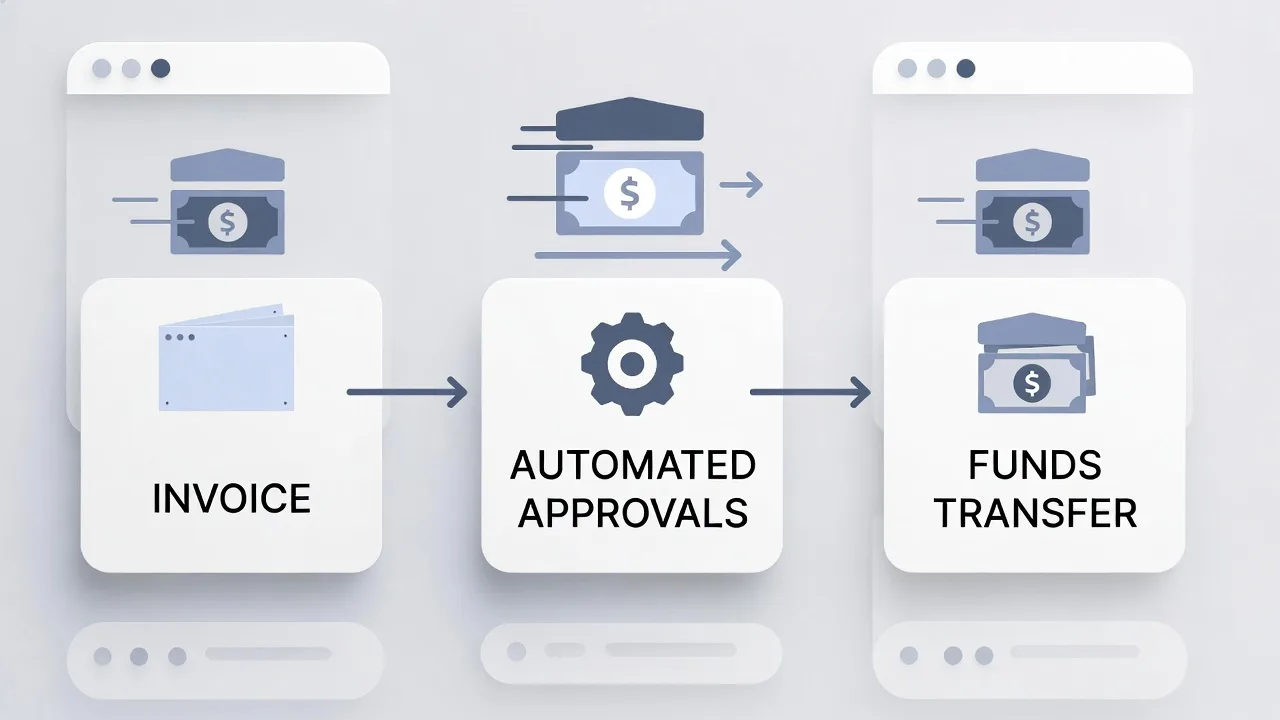
ML Supply Chain Software: How Enterprises Are Using Machine Learning to Turn Logistics into a Predictive Advantage
In 2026, Machine Learning (ML) in Supply Chain Management has transitioned from experimental pilots to a core competitive requirement. By 2026, an estimated 55% of global manufacturers are expected to have redesigned their service supply chains using AI and ML to enhance resilience and agility.
Top ML Supply Chain Platforms (2026 Rankings)
| Software | Core ML Focus | Best For |
|---|---|---|
| SAP IBP | Demand sensing and multi-tier supply planning. | Large enterprises in the SAP ecosystem. |
| Blue Yonder | AI-driven forecasting and logistics optimization. | Retail and mass consumption sectors. |
| Kinaxis Maestro | Real-time “what-if” scenario modeling. | Manufacturers with highly volatile demand. |
| o9 Solutions | Digital twin modeling of the entire value chain. | Integrated business and financial planning. |
| Deposco | Real-time “Actionable AI” for warehouse and order fulfillment. | Mid-market retailers and 3PLs. |
| ToolsGroup | Probabilistic forecasting and inventory optimization. | Companies managing complex SKU portfolios. |
Key ML Applications & Use Cases
- Predictive Demand Sensing: ML algorithms analyze thousands of real-time signals (social media trends, weather, economic indicators) to achieve up to 95% forecast accuracy, compared to 70% with traditional methods.
- Inventory Optimization: Systems dynamically adjust safety stock levels and reorder points based on predicted supply variability, often reducing excess inventory by 30%.
- Logistics & Route Optimization: AI-powered routing (e.g., UPS ORION) analyzes traffic and fuel patterns in real-time, reducing delivery miles by millions annually.
- Predictive Maintenance: IoT sensors combined with ML predict equipment failure before it happens, minimizing downtime on factory floors and in fleets.
- Supplier Risk Intelligence: Platforms like Prewave or Resilinc use ML to scan global news and social feeds to alert companies of geopolitical or environmental risks before they impact Tier 1 or Tier 2 suppliers.
Emerging Trend: Agentic AI
A major shift in 2026 is the rise of Agentic AI, autonomous agents that don’t just predict issues but actively resolve them. For example, if a supplier delay is predicted, an AI agent can automatically trigger an order from a pre-approved backup vendor and reroute the incoming logistics without human intervention.
Why Traditional Supply Chain Systems Break Down at Enterprise Scale?
Most enterprise supply chain software was designed for a slower, more stable world.
ERP systems record transactions. TMS and WMS tools execute tasks. Planning tools generate forecasts based on historical averages. When reality deviates, humans step in to fix it.
That model collapses under modern conditions.
Static rules cannot respond to real-time disruptions. Historical forecasting fails during demand shocks. Manual exception handling does not scale across thousands of daily logistics decisions.
ML supply chain software changes the operating model entirely.
Instead of asking people to constantly interpret data, machine-learning models detect patterns, predict outcomes, and recommend or execute actions automatically. AI agents sit inside logistics workflows, monitoring signals across demand, inventory, transportation, and supplier performance.
The result is not just efficiency. It is resilience.
What ML Supply Chain Software Actually Means (Beyond the Buzzwords)?
Enterprise buyers often hear “AI-powered supply chain” without clarity on what is real and what is marketing.
At its core, ML supply chain software applies machine-learning models to operational supply chain data to continuously improve decisions over time.
This includes:
- Learning demand patterns across regions, channels, and seasons
- Predicting delays before they occur based on live transportation signals
- Optimizing inventory positioning dynamically, not through fixed thresholds
- Identifying supplier risk early using behavior and performance signals
- Recommending corrective actions through AI agents embedded in workflows
Unlike traditional analytics, ML models improve as more data flows through the system. Unlike rules engines, they adapt when conditions change.
For logistics and transportation enterprises, this shift is fundamental.
How AI Agents Extend ML Supply Chain Software Into Daily Operations?
Machine learning alone does not create value unless insights turn into action. This is where AI agents for logistics and transportation become critical.
AI agents are autonomous or semi-autonomous systems that monitor supply chain events, trigger decisions, and coordinate actions across tools.
In an ML-driven supply chain platform, agents can:
- Monitor shipment telemetry and predict ETA risks
- Re-route loads automatically based on congestion or weather
- Alert planners to demand-inventory mismatches before stockouts occur
- Negotiate carrier selection based on historical performance and cost
- Continuously tune planning models based on outcomes
For enterprise buyers, this reduces dependence on manual firefighting and enables teams to focus on strategic decisions rather than constant exception management.
Key Capabilities Enterprises Expect From ML Supply Chain Software
Not all ML platforms are built for enterprise complexity. Buyers evaluating ML supply chain software should look for capabilities that scale across global logistics networks.
Core Enterprise-Grade Capabilities
| Capability Area | What ML Enables | Why It Matters to Enterprises |
|---|---|---|
| Demand Forecasting | Multi-variable, real-time demand prediction | Reduces forecast error during volatility |
| Inventory Optimization | Dynamic safety stock and positioning | Frees working capital without increasing risk |
| Transportation Intelligence | Delay prediction and route optimization | Improves OTIF and lowers freight costs |
| Supplier Risk Analytics | Early risk detection from behavior patterns | Prevents disruption, not just reacts |
| AI Agent Orchestration | Automated decision execution | Scales operations without scaling headcount |
These capabilities become significantly more powerful when connected across logistics, warehousing, and transportation systems rather than operating in silos
Where ML Supply Chain Software Delivers the Highest ROI in Logistics?
Enterprise leaders often ask where to start. The highest ROI typically comes from areas with high variability and frequent human intervention.
High-Impact Use Cases in Logistics and Transportation
| Use Case | ML-Driven Outcome | Business Impact |
|---|---|---|
| Predictive ETA Management | Early delay detection | Higher service levels, fewer penalties |
| Load & Route Optimization | Continuous route learning | Lower fuel and carrier costs |
| Inventory Rebalancing | Proactive stock movement | Reduced stockouts and overstocks |
| Demand-Supply Alignment | Real-time demand sensing | Faster response to market shifts |
| Exception Automation | AI agents resolve routine issues | Planner productivity at scale |
These are not experimental wins. Enterprises deploying ML supply chain software see measurable improvements within quarters, not years.
Data Foundations That Make or Break ML Supply Chain Platforms
Machine learning is only as good as the data it learns from. Enterprises often underestimate this.
Effective ML supply chain software requires:
- Clean historical logistics and transportation data
- Real-time feeds from TMS, WMS, IoT, and telematics
- Structured and unstructured data ingestion
- Strong data governance and lineage
- Continuous feedback loops from outcomes
Platforms that rely solely on batch ERP data will never deliver real predictive power. Modern ML systems thrive on live signals, not delayed reports.
This is why AI-agent-based platforms built specifically for logistics outperform generic AI add-ons bolted onto legacy systems.
Security, Explainability, and Trust in Enterprise ML Supply Chain Software
Enterprise buyers are rightfully cautious. Black-box AI does not belong in mission-critical logistics decisions.
Production-ready ML supply chain software must provide:
- Explainable model outputs for planners and executives
- Audit trails for automated decisions
- Role-based access and data security
- Human-in-the-loop controls for high-impact actions
The goal is not to replace human judgment, but to augment it with systems that surface risks and options earlier than humans can.
How ML Supply Chain Software Changes the Role of Supply Chain Teams?
One overlooked impact of ML adoption is organizational.
When AI agents handle monitoring, prediction, and routine decisions, supply chain teams shift from reactive problem solvers to proactive strategists.
Planners focus on scenario planning. Logistics managers manage exceptions, not every shipment. Leadership gets forward-looking visibility instead of backward-looking reports.
This shift is where long-term competitive advantage emerges.
Selecting the Right ML Supply Chain Software Partner
Technology alone is not enough. Enterprises should evaluate vendors based on domain depth in logistics and transportation, not generic AI claims.
Look for partners who:
- Build ML models specifically for logistics workflows
- Offer AI agents designed for transportation operations
- Integrate deeply with existing ERP, TMS, and WMS systems
- Support phased rollout without operational disruption
- Provide measurable outcomes tied to KPIs
The best platforms feel less like software and more like an intelligent operations layer across your supply chain.
The Future of ML Supply Chain Software in Enterprise Logistics
ML supply chain software is moving fast.
The next phase is not better dashboards. It is autonomous logistics networks, where AI agents coordinate demand, inventory, transportation, and suppliers continuously.
Enterprises that adopt early will not just reduce costs. They will operate with a level of speed and resilience competitors cannot easily copy.
Waiting is not neutral. It compounds disadvantage.
People Also Ask
Traditional tools rely on static rules and historical averages. ML supply chain software learns from data continuously, adapts to change, and predicts outcomes before they happen.
AI agents operationalize machine-learning insights. They monitor events, trigger decisions, and automate actions across logistics and transportation workflows.
Yes. In fact, the more complex the supply chain, the higher the value. ML systems thrive on scale and variability.
Enterprises typically see measurable improvements in forecasting accuracy, service levels, and cost control within three to six months when deployed correctly.
Enterprise-grade platforms are designed to integrate with existing systems. ML works best when it augments current infrastructure rather than replacing it overnight.